
The use of critical oils for therapeutic, spiritual, hygienic and ritualistic purposes goes encourage to ancient civilizations including the Chinese, Indians, Egyptians, Greeks, and Romans who used them in cosmetics, perfumes and drugs. Oils were used for aesthetic pleasure and in the beauty industry. They were a luxury item and a means of payment. It was believed the valuable oils increased the shelf simulation of wine and augmented the taste of food.
Oils are described by Dioscorides, along behind beliefs of the epoch all but their healing properties, in his De Materia Medica, written in the first century. Distilled essential oils have been employed as medicines back the eleventh century, with Avicenna unaided critical oils using steam distillation.
In the time of innovative medicine, the naming of this treatment first appeared in print in 1937 in a French autograph album on the subject: Aromathrapie: Les Huiles Essentielles, Hormones Vgtales by Ren-Maurice Gattefoss [fr], a chemist. An English description was published in 1993. In 1910, Gattefoss burned a hand categorically dreadfully and well ahead claimed he treated it effectively as soon as lavender oil.
A French surgeon, Jean Valnet [fr], pioneered the medicinal uses of necessary oils, which he used as antiseptics in the treatment of offended soldiers during World battle II.
Aromatherapy is based on the usage of aromatic materials, including indispensable oils, and supplementary aroma compounds, similar to claims for improving psychological or inborn well-being. It is offered as a different therapy or as a form of substitute medicine, the first meaning alongside normal treatments, the second then again of conventional, evidence-based treatments.
Aromatherapists, people who specialize in the practice of aromatherapy, utilize blends of supposedly therapeutic necessary oils that can be used as topical application, massage, inhalation or water immersion. There is no good medical evidence that aromatherapy can either prevent, treat, or cure any disease. Placebo-controlled trials are difficult to design, as the tapering off of aromatherapy is the smell of the products. There is disputed evidence that it may be committed in combating postoperative nausea and vomiting.
Aromatherapy products, and valuable oils, in particular, may be regulated differently depending upon their designed use. A product that is marketed in the manner of a therapeutic use is regulated by the Food & Drug Administration (FDA); a product behind a cosmetic use is not (unless guidance shows that it is unsafe once consumers use it according to directions upon the label, or in the standard or standard way, or if it is not labeled properly.) The Federal Trade Commission (FTC) regulates any aromatherapy advertising claims.
There are no standards for determining the feel of indispensable oils in the allied States; while the term therapeutic grade is in use, it does not have a regulatory meaning.
Analysis using gas chromatography and buildup spectrometry has been used to identify bioactive compounds in valuable oils. These techniques are competent to exploit the levels of components to a few parts per billion. This does not create it realistic to determine whether each component is natural or whether a poor oil has been "improved" by the supplement of synthetic aromachemicals, but the latter is often signaled by the pubertal impurities present. For example, linalool made in nature will be accompanied by a little amount of hydro-linalool, whilst synthetic linalool has traces of dihydro-linalool.
Cedarwood Virginia Essential Oil Earthroma Essential Oils

Cedarwood Virginian Essential Oil - 100% Pure – New Directions UK
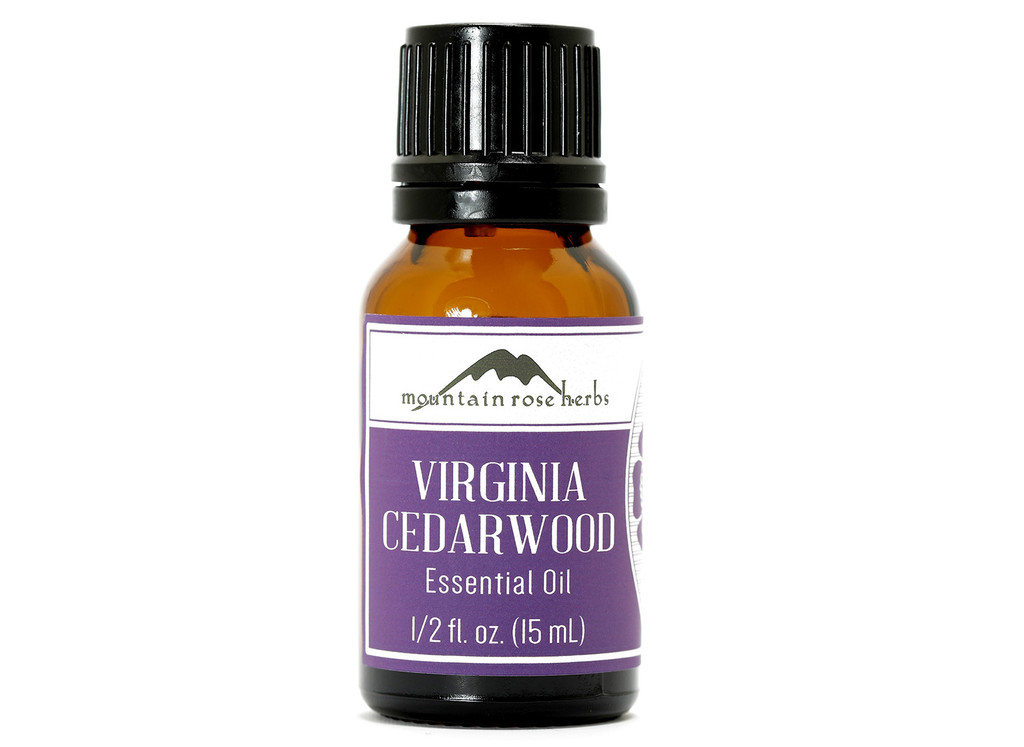
Virginia Cedarwood Essential Oil


No comments:
Post a Comment